


As a bookshelf supplier, I often get asked the question: "How often should I clean my bookshelf?" It's a valid concern, as a clean bookshelf not only enhances the aesthetic appeal of your space but also helps preserve the quality of your books. In this blog post, I'll delve into the factors that influence the cleaning frequency and offer some practical tips to keep your bookshelf in top condition.
Factors Affecting Cleaning Frequency
Environment
The environment in which your bookshelf is placed plays a significant role in determining how often it needs to be cleaned. If your bookshelf is located in a high-traffic area, such as a living room or a hallway, it's likely to accumulate more dust and dirt compared to a bookshelf in a less frequented room like a study or a library. Additionally, if you live in an area with high humidity or pollution, your bookshelf may require more frequent cleaning to prevent the growth of mold and mildew.
Usage
How often you use your bookshelf also affects the cleaning frequency. If you frequently access your books, you're more likely to transfer oils, dirt, and moisture from your hands to the bookshelf, which can lead to the buildup of grime over time. On the other hand, if your bookshelf is mainly used for decorative purposes and you rarely touch the books, it may not need to be cleaned as often.
Type of Bookshelf
The type of bookshelf you have can also impact the cleaning frequency. For example, a wooden bookshelf may require more care and maintenance compared to a metal or plastic bookshelf. Wood is a porous material that can absorb moisture and stains, so it's important to clean and polish it regularly to prevent damage. Metal bookshelves, on the other hand, are generally more durable and easier to clean, but they may still require occasional dusting and wiping to keep them looking their best.
Recommended Cleaning Frequency
Based on the factors mentioned above, here are some general guidelines on how often you should clean your bookshelf:
Weekly
If your bookshelf is located in a high-traffic area or you frequently use your books, it's a good idea to give it a quick dusting once a week. Use a soft, dry cloth or a microfiber duster to remove any loose dust and debris from the shelves and the books. This will help prevent the buildup of dirt and keep your bookshelf looking clean and tidy.
Monthly
Once a month, you should perform a more thorough cleaning of your bookshelf. Start by removing all the books from the shelves and dusting them individually. Use a soft brush or a clean, dry cloth to gently remove any dust or dirt from the covers and the pages. Then, wipe down the shelves with a damp cloth or a mild cleaning solution. Be sure to dry the shelves thoroughly to prevent water damage.
Seasonally
In addition to weekly and monthly cleanings, you should also perform a deep cleaning of your bookshelf seasonally. This involves removing all the books from the shelves, vacuuming the shelves and the surrounding area to remove any dirt or debris, and then wiping down the shelves with a disinfectant solution to kill any bacteria or germs. You may also want to consider applying a protective finish to the shelves to help prevent scratches and stains.
Tips for Cleaning Your Bookshelf
Here are some additional tips to help you clean your bookshelf effectively:
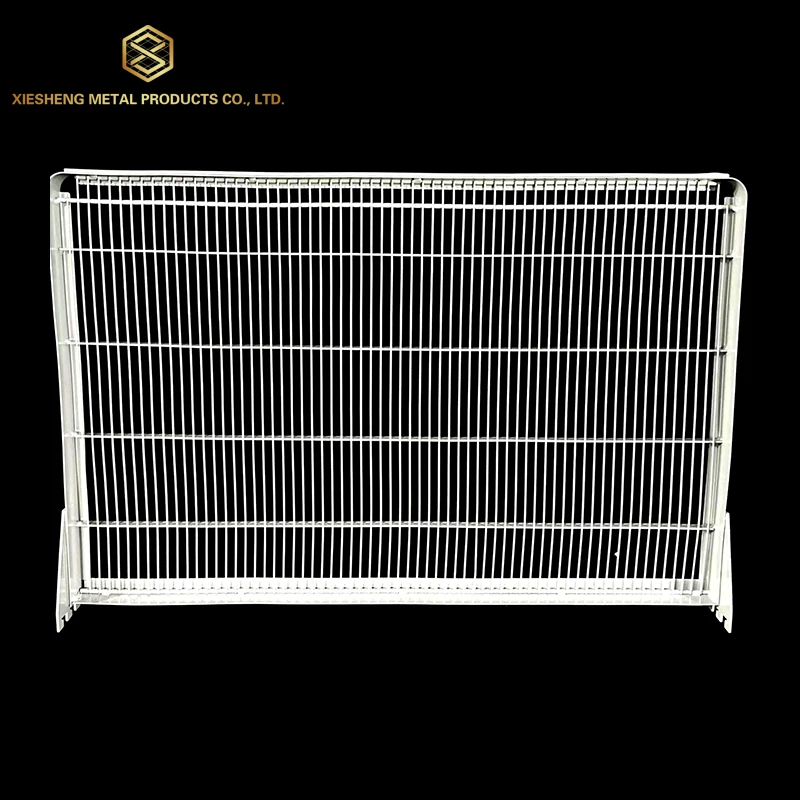

Use the Right Cleaning Tools
When cleaning your bookshelf, it's important to use the right tools to avoid damaging the shelves or the books. Avoid using abrasive cleaners or scrub brushes, as these can scratch the surface of the shelves and damage the books. Instead, use a soft, dry cloth, a microfiber duster, or a mild cleaning solution to clean the shelves and the books.
Be Gentle with Your Books
When cleaning your books, be gentle to avoid damaging the covers or the pages. Use a soft brush or a clean, dry cloth to gently remove any dust or dirt from the covers and the pages. Avoid using water or cleaning solutions on the books, as these can cause the pages to warp or the ink to run.
Organize Your Books
Before cleaning your bookshelf, take the time to organize your books. This will not only make it easier to clean the shelves but also make it easier to find the books you're looking for. You can organize your books by genre, author, or alphabetically.
Protect Your Bookshelf
To help protect your bookshelf from damage, you can use shelf liners or bookends. Shelf liners can help prevent scratches and stains on the shelves, while bookends can help keep the books upright and prevent them from falling over.
Conclusion
In conclusion, the frequency with which you should clean your bookshelf depends on several factors, including the environment, the usage, and the type of bookshelf. By following the recommended cleaning frequency and using the right cleaning tools and techniques, you can keep your bookshelf looking clean and tidy and help preserve the quality of your books.
If you're in the market for a new bookshelf, we offer a wide range of high-quality bookshelves to suit your needs and style. Our Metal Space Frame, Home Metal Mesh, and Household Metal Rack 1 are all durable, stylish, and easy to clean. Contact us today to learn more about our products and to discuss your specific requirements. We look forward to helping you find the perfect bookshelf for your home or office.
References
- "How to Clean a Bookshelf." The Spruce, https://www.thespruce.com/how-to-clean-a-bookshelf-1900466.
- "Tips for Cleaning and Organizing Your Bookshelf." Real Simple, https://www.realsimple.com/home-organizing/organizing-ideas/bookshelf-cleaning-tips.
- "The Best Way to Clean a Bookshelf." Good Housekeeping, https://www.goodhousekeeping.com/home/cleaning/tips/a20705258/how-to-clean-a-bookshelf/.


