


Hey there! As a display rack supplier, I've seen firsthand what makes a display rack truly attractive. In this blog, I'm gonna break down the key design elements that can turn an ordinary display rack into a real head - turner.
1. Visual Appeal
Let's start with the most obvious one: visual appeal. A display rack needs to catch the eye right away. Color is a powerful tool here. You can go for bold, bright colors if you want to create a high - energy, attention - grabbing look. For example, a red or yellow display rack in a sea of neutral - colored products will stand out like a sore thumb in a good way. On the other hand, if your brand has a more sophisticated or minimalist vibe, muted tones like gray, black, or white might be the way to go.
The shape of the display rack also matters. Curved shapes can give a more organic and inviting feel, while angular shapes can convey a sense of modernity and precision. You can play around with different geometric forms to create a unique and interesting silhouette. For instance, a triangular - shaped display rack can add a dynamic element to a static space.
Texture is another aspect of visual appeal. A display rack with a rough, rustic texture can give a sense of authenticity, especially if you're selling artisanal or handmade products. Conversely, a smooth, glossy finish can make the rack look more high - end and contemporary.
2. Functionality
An attractive display rack isn't just about looks; it has to work well too. First off, it needs to be sturdy. No one wants a display rack that wobbles or collapses under the weight of the products. You need to use high - quality materials and proper construction techniques to ensure durability.
The layout of the rack is crucial for functionality. It should be easy to access the products. Shelves should be spaced at appropriate intervals so that you can display items of different sizes without them looking cramped or lost. For example, if you're displaying shoes, you'll need wider and deeper shelves compared to when you're showing off small jewelry items.
Adjustability is also a great feature. A display rack that allows you to change the height of the shelves or reconfigure the layout can be used in different ways over time. This is especially useful if your product range changes or if you want to use the rack in different settings.

3. Space Utilization
Making the most of the available space is essential. A well - designed display rack should maximize the display area while taking up as little floor space as possible. This is where innovative designs come in handy. For example, vertical display racks can be a great solution when floor space is limited. They allow you to stack products vertically, increasing the amount of merchandise you can show without spreading out horizontally.
You can also use multi - tiered racks to create more levels of display. This not only increases the space for products but also adds visual interest. For instance, a three - tiered display rack can show different types of products at different heights, guiding the customer's eye through the display.
4. Compatibility with Products
The display rack should be a good fit for the products it's showing. If you're selling delicate glassware, you'll need a rack with soft, padded surfaces to prevent scratches. On the other hand, if you're displaying heavy tools, a strong and sturdy metal rack would be more appropriate.
The style of the rack should also match the style of the products. For example, if you're selling vintage - style clothing, a wooden display rack with a distressed finish would complement the products nicely. If it's modern, high - tech gadgets, a sleek, metal rack would be a better choice.
5. Branding
Your display rack is an extension of your brand. It should carry your brand's logo, colors, and overall aesthetic. This helps to create a cohesive brand image and makes your products more recognizable. You can add your logo to the front of the rack or use your brand's signature colors in the design.
Branding on the display rack can also help to build trust with customers. When they see your brand prominently displayed, they're more likely to associate the products with quality and reliability.
Examples of Different Types of Display Racks
- Warehouse Rack: If you're looking for a display rack for a large - scale storage and display, Warehouse Rack is a great option. These racks are designed to be strong and durable, able to hold a large amount of merchandise. They're often used in warehouses, but can also be adapted for retail settings.
- Metal Space Frame: Metal Space Frame display racks are known for their modern and industrial look. They're made of metal and can be customized to fit different spaces and product requirements. They're great for showing off products in a contemporary and edgy way.
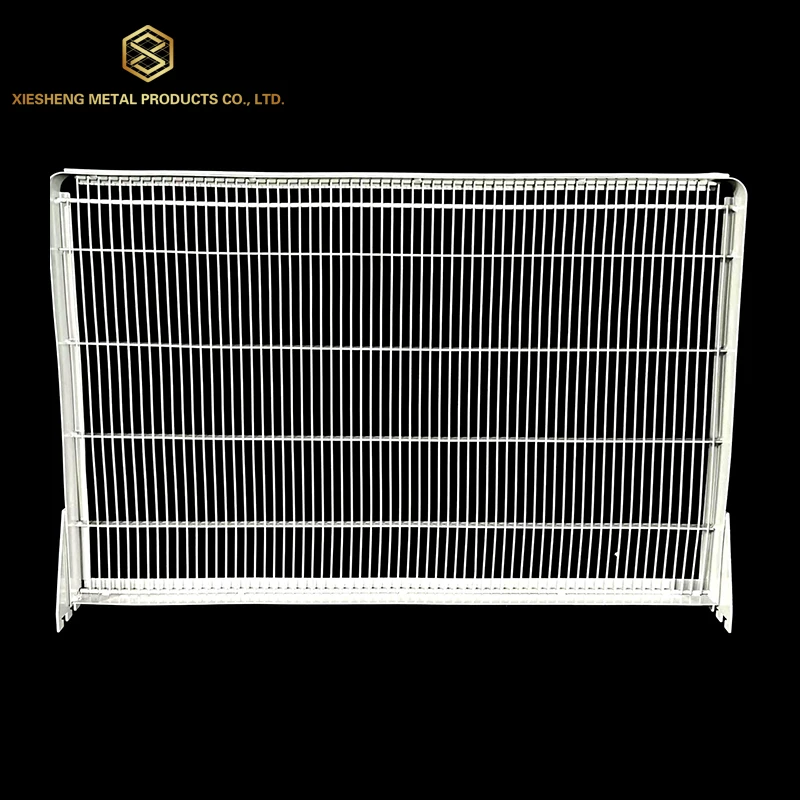
- Metal Grid: Metal Grid display racks are versatile and can be used in a variety of settings. They allow for easy hanging of products, making them ideal for displaying clothing, accessories, or small items.
Conclusion
In conclusion, creating an attractive display rack involves a combination of visual appeal, functionality, space utilization, compatibility with products, and branding. By paying attention to these design elements, you can create a display rack that not only showcases your products effectively but also enhances your brand image.
If you're interested in purchasing high - quality display racks that incorporate all these great design elements, don't hesitate to reach out. We're here to help you find the perfect display solution for your business. Whether you need a custom - designed rack or a standard model, we've got you covered. Let's start a conversation and see how we can make your products shine!
References
- "Retail Store Design: Creating an Engaging Shopping Environment" by Paco Underhill
- "The Design of Everyday Things" by Don Norman
- Industry reports on display rack trends and consumer preferences.


