


Is cement mesh easy to handle? This is a question that often comes up in the construction and DIY communities. As a supplier of Cement Mesh, I've had the opportunity to work closely with this material and observe its handling characteristics in various scenarios. In this blog post, I'll share my insights on whether cement mesh is easy to handle, based on my experiences and industry knowledge.
Understanding Cement Mesh
Before delving into its handling ease, let's first understand what cement mesh is. Cement mesh, also known as wire mesh reinforcement, is a grid-like structure made of metal wires, typically steel or galvanized steel. It is commonly used in construction projects to reinforce concrete structures, such as floors, walls, and foundations. The mesh provides additional strength and stability to the concrete, preventing cracking and improving its overall durability.

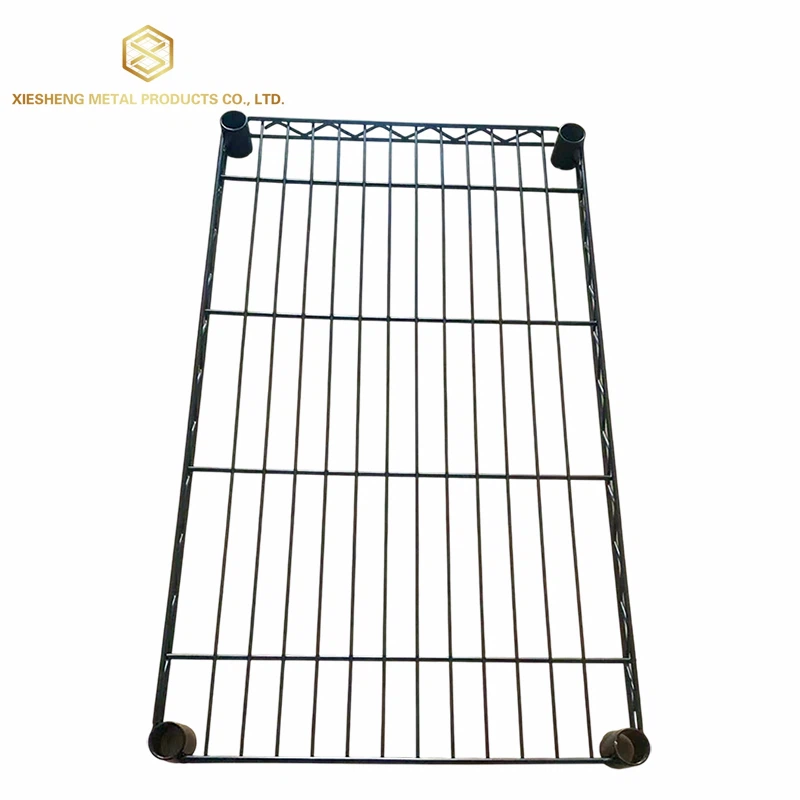
Cement mesh comes in various sizes, shapes, and configurations to suit different applications. The most common types include welded wire mesh, which is made by welding the wires at their intersections, and woven wire mesh, which is created by weaving the wires together. Each type has its own unique properties and advantages, but they all serve the same basic purpose of reinforcing concrete.
Factors Affecting Handling Ease
Several factors can influence how easy or difficult it is to handle cement mesh. These include the following:
Size and Weight
The size and weight of the cement mesh can have a significant impact on its handling. Larger and heavier mesh sheets can be more challenging to maneuver, especially in confined spaces or when working alone. On the other hand, smaller and lighter mesh sheets are generally easier to handle and can be more conveniently transported and installed.
Flexibility
The flexibility of the cement mesh is another important factor. Some types of mesh are more flexible than others, which can make them easier to bend and shape to fit the contours of the concrete structure. This can be particularly useful when working on curved or irregular surfaces. However, too much flexibility can also make the mesh more difficult to handle, as it may be prone to sagging or wrinkling.
Cutting and Joining
The ability to cut and join the cement mesh is also crucial for ease of handling. In many cases, the mesh needs to be cut to size to fit the specific dimensions of the project. This can be done using a variety of tools, such as wire cutters or angle grinders. Similarly, joining the mesh sheets together may be necessary to create a larger or continuous reinforcement structure. The ease of cutting and joining the mesh can vary depending on the type of mesh and the tools used.
Surface Coating
The surface coating of the cement mesh can also affect its handling. Some mesh is coated with a protective layer, such as zinc or epoxy, to prevent corrosion and improve its longevity. While these coatings can provide additional benefits, they can also make the mesh more slippery and difficult to grip. This can be a concern when handling the mesh, especially in wet or oily conditions.
Advantages of Cement Mesh in Terms of Handling
Despite the potential challenges, there are several advantages to using cement mesh that make it relatively easy to handle in many situations. These include the following:
Pre-Fabricated Sizes
Cement mesh is often available in pre-fabricated sizes, which can simplify the installation process. These standardized sizes are designed to fit common construction applications, reducing the need for on-site cutting and customization. This can save time and labor, especially for larger projects.
Lightweight and Portable
Compared to other types of reinforcement materials, such as steel bars or plates, cement mesh is relatively lightweight and portable. This makes it easier to transport and handle on-site, even in areas with limited access or difficult terrain. Additionally, the lightweight nature of the mesh reduces the risk of injury to workers during handling and installation.
Easy to Cut and Join
As mentioned earlier, cement mesh can be easily cut and joined using common tools. This allows for quick and efficient customization of the mesh to fit the specific requirements of the project. Whether you need to cut the mesh to size, create openings for pipes or electrical conduits, or join multiple sheets together, the process is relatively straightforward and can be completed with minimal effort.
Versatile and Adaptable
Cement mesh is a versatile material that can be used in a wide range of applications. It can be easily bent and shaped to fit the contours of the concrete structure, making it suitable for both straight and curved surfaces. Additionally, the mesh can be used in combination with other reinforcement materials, such as steel bars or fibers, to provide additional strength and stability.
Tips for Handling Cement Mesh
To ensure the safe and efficient handling of cement mesh, here are some tips to keep in mind:
Wear Protective Gear
When handling cement mesh, it's important to wear appropriate protective gear, such as gloves, safety glasses, and a hard hat. This can help prevent injuries from sharp edges, flying debris, or falling objects.
Use the Right Tools
Using the right tools for the job is essential for easy and safe handling of cement mesh. Make sure you have the necessary tools, such as wire cutters, pliers, and a tape measure, before starting the installation process. Additionally, ensure that the tools are in good working condition and are suitable for the type of mesh you are using.
Plan Ahead
Before handling the cement mesh, take the time to plan the installation process. Measure the area where the mesh will be installed and determine the required size and quantity of the mesh. This can help minimize waste and ensure that the mesh is installed correctly the first time.
Work with a Partner
If possible, work with a partner when handling large or heavy mesh sheets. This can make it easier to maneuver the mesh and reduce the risk of injury. Additionally, having a partner can provide an extra set of hands to help with cutting, joining, and positioning the mesh.
Store the Mesh Properly
When not in use, store the cement mesh in a dry and secure location. This can help prevent corrosion and damage to the mesh, ensuring its longevity and performance. Additionally, storing the mesh properly can make it easier to access and handle when needed.
Conclusion
In conclusion, whether cement mesh is easy to handle depends on several factors, including its size, weight, flexibility, cutting and joining capabilities, and surface coating. While there may be some challenges associated with handling cement mesh, there are also many advantages that make it a popular choice for reinforcement in construction projects. By understanding these factors and following the tips outlined in this blog post, you can ensure the safe and efficient handling of cement mesh in your next project.
If you're interested in purchasing Cement Mesh for your construction project, I encourage you to visit our website Cement Mesh to learn more about our products and services. We also offer a wide range of other related products, such as Protective Nets and Shelf Grids, which can complement your use of cement mesh. Feel free to contact us to discuss your specific requirements and to start a procurement negotiation. We look forward to working with you!
References
- Construction Materials Handbook, Third Edition, by Edward G. Nawy
- Reinforced Concrete Design, Seventh Edition, by James K. Wight and Joseph W. MacGregor
- Steel Construction Manual, Fifteenth Edition, by the American Institute of Steel Construction


