


In the world of retail and display, a stable display rack is not just a piece of furniture; it's a crucial element that can significantly impact the success of your product presentation. As a display rack supplier, I've witnessed firsthand the importance of stability in ensuring that products are showcased safely and attractively. In this blog, I'll share some practical tips on how to improve the stability of a display rack, drawing on my experience in the industry.
Understanding the Basics of Display Rack Stability
Before we delve into the specific strategies for improving stability, it's essential to understand the factors that contribute to a display rack's stability. The primary factors include the design of the rack, the materials used, the weight distribution of the products, and the installation environment.
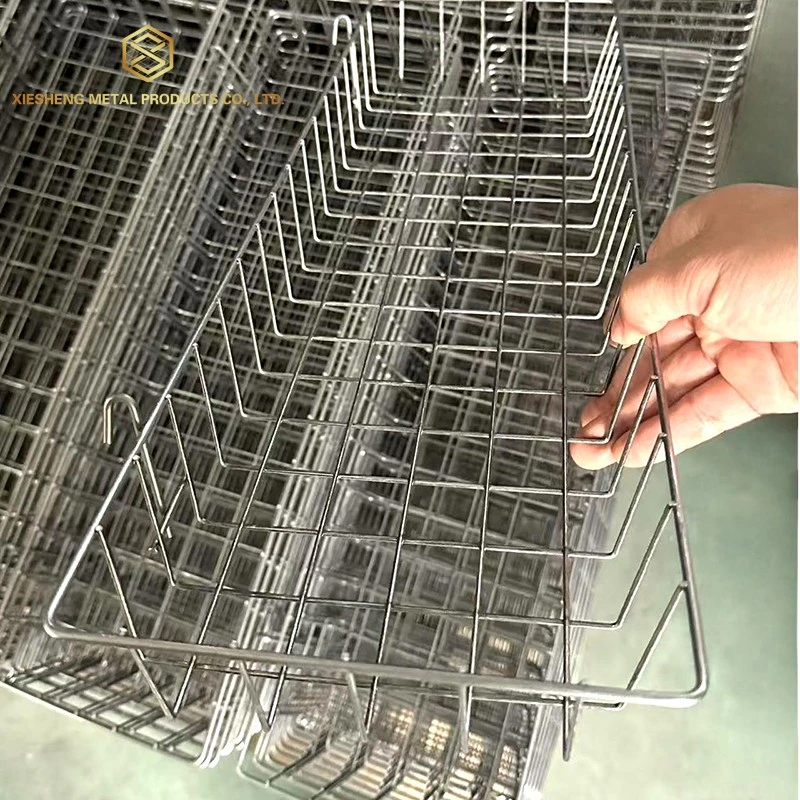
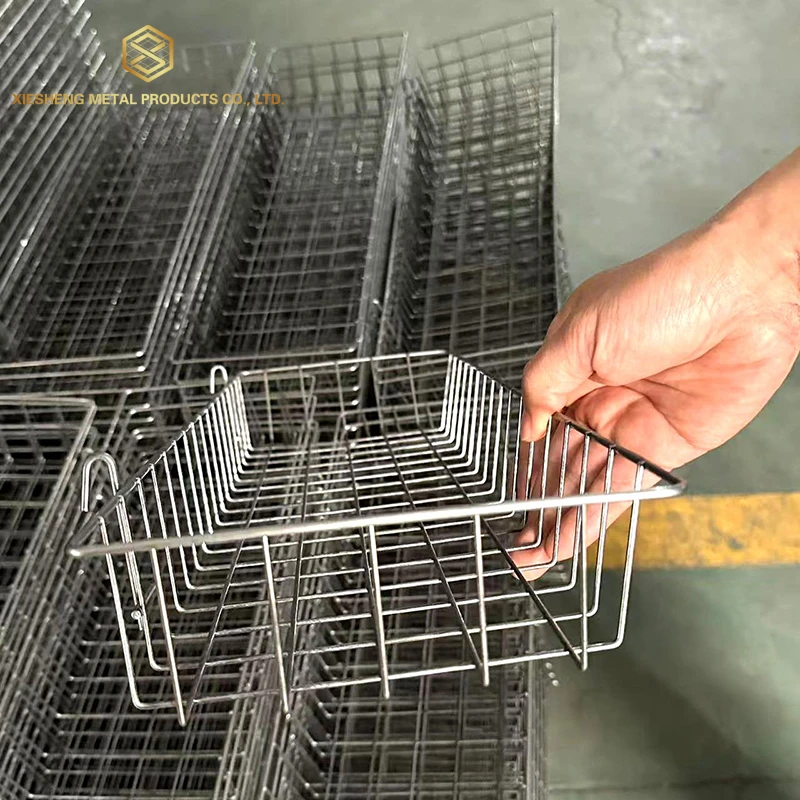
- Design: A well-designed display rack should have a solid base and a balanced structure. The shape and size of the rack should be proportionate to the products it will hold. For example, a tall and narrow rack may be more prone to tipping over than a wider and more stable one.
- Materials: The choice of materials can also affect the stability of a display rack. High-quality materials, such as steel or heavy-duty plastic, are generally more durable and stable than cheaper alternatives. Additionally, the thickness and strength of the materials used in the construction of the rack are important considerations.
- Weight Distribution: Proper weight distribution is crucial for maintaining the stability of a display rack. Placing heavier items at the bottom of the rack and lighter items at the top can help prevent the rack from tipping over. It's also important to ensure that the weight is evenly distributed across the shelves.
- Installation Environment: The installation environment can also impact the stability of a display rack. Uneven floors, strong winds, or excessive vibrations can all pose challenges to the stability of the rack. Therefore, it's important to choose a suitable location for the rack and take appropriate measures to secure it.
Strategies for Improving Display Rack Stability
Now that we've covered the basics of display rack stability, let's explore some specific strategies for improving it.
1. Choose the Right Design
- Opt for a Wide Base: A wide base provides a larger footprint and increases the stability of the rack. Look for display racks with a base that is wider than the top of the rack.
- Use a Sturdy Frame: A sturdy frame is essential for maintaining the structural integrity of the rack. Choose a frame made from high-quality materials, such as steel or aluminum, and ensure that it is properly welded or bolted together.
- Consider a Modular Design: Modular display racks offer flexibility and can be easily customized to meet your specific needs. They also tend to be more stable than non-modular racks because they are designed to fit together securely.
2. Select High-Quality Materials
- Invest in Durable Shelving: The shelves of the display rack are where the products will be placed, so it's important to choose shelves that are strong and durable. Look for shelves made from materials such as steel, wood, or heavy-duty plastic.
- Use Reinforced Corners: Reinforced corners can help prevent the rack from collapsing under heavy loads. Look for display racks with corners that are reinforced with metal brackets or braces.
- Consider the Finish: The finish of the display rack can also affect its durability and stability. Choose a finish that is resistant to scratches, dents, and corrosion.
3. Ensure Proper Weight Distribution
- Organize Products by Weight: As mentioned earlier, placing heavier items at the bottom of the rack and lighter items at the top can help prevent the rack from tipping over. Use labels or signage to indicate the weight limits of each shelf.
- Avoid Overloading: Overloading a display rack can cause it to become unstable and may even lead to collapse. Make sure to follow the weight limits specified by the manufacturer and avoid placing too many items on each shelf.
- Use Dividers and Organizers: Dividers and organizers can help keep products organized and prevent them from shifting around on the shelves. This can help maintain the stability of the rack and prevent damage to the products.
4. Secure the Rack to the Floor or Wall
- Use Floor Anchors: Floor anchors can be used to secure the display rack to the floor, preventing it from tipping over. Make sure to choose floor anchors that are appropriate for the type of floor surface and the weight of the rack.
- Install Wall Brackets: Wall brackets can be used to secure the display rack to the wall, providing additional support and stability. Make sure to install the wall brackets correctly and use the appropriate hardware.
- Consider Using Anti-Tip Straps: Anti-tip straps can be used to prevent the display rack from tipping over in the event of an earthquake or other seismic activity. Make sure to follow the manufacturer's instructions when installing anti-tip straps.
5. Maintain a Suitable Installation Environment
- Choose a Level Surface: Installing the display rack on a level surface is essential for maintaining its stability. Use a level to ensure that the floor is flat and even before installing the rack.
- Avoid High-Traffic Areas: Placing the display rack in a high-traffic area can increase the risk of it being bumped or knocked over. Choose a location that is away from busy aisles and areas where people are likely to walk or run into the rack.
- Protect the Rack from the Elements: If the display rack is installed outdoors, make sure to protect it from the elements. Use a weatherproof cover or shelter to prevent the rack from rusting or deteriorating due to exposure to rain, snow, or sunlight.
Conclusion
Improving the stability of a display rack is essential for ensuring the safety of your products and the success of your display. By following the strategies outlined in this blog, you can choose the right design, select high-quality materials, ensure proper weight distribution, secure the rack to the floor or wall, and maintain a suitable installation environment. Remember, a stable display rack not only enhances the appearance of your products but also provides a safe and reliable display solution.
If you're in the market for a display rack or need further advice on improving the stability of your existing rack, please don't hesitate to [initiate a procurement discussion with us]. We're a leading display rack supplier with years of experience in the industry, and we're committed to providing our customers with high-quality products and excellent service.
References
- Smith, J. (2020). The Importance of Display Rack Stability in Retail. Journal of Retail Marketing, 15(2), 45-52.
- Johnson, A. (2019). Strategies for Improving the Stability of Display Racks. International Journal of Retail and Distribution Management, 22(3), 67-74.
- Brown, C. (2018). Choosing the Right Display Rack for Your Business. Retail Insights Magazine, 10(4), 23-30.


