


When it comes to setting up a closet, one of the most crucial considerations is the weight capacity of the closet shelves. As a seasoned supplier of closet shelves, I've encountered numerous customers with questions about how much weight these shelves can hold. In this blog post, I'll delve into the factors that determine the weight capacity of closet shelves, provide some general guidelines, and offer tips on ensuring your shelves can support your storage needs.
Factors Affecting Weight Capacity
The weight capacity of a closet shelf is influenced by several key factors, each playing a significant role in determining how much weight it can safely bear.
Shelf Material
The material of the shelf is perhaps the most obvious factor affecting its weight capacity. Different materials have varying strength and durability characteristics.
- Wood: Wood is a popular choice for closet shelves due to its natural aesthetic and relatively high strength. Hardwoods like oak and maple are particularly strong and can support heavy loads. A solid wood shelf, especially one that is thick and well - constructed, can typically hold anywhere from 50 to 200 pounds per linear foot. However, softer woods like pine may have a lower weight capacity, usually around 20 to 50 pounds per linear foot. [1]
- Metal: Metal shelves, such as those made from steel or aluminum, are known for their strength and durability. Steel shelves can be incredibly robust and can handle heavy weights. Industrial - grade steel shelves can support upwards of 500 pounds per linear foot, making them suitable for storing large, heavy items. Aluminum shelves are lighter but still offer a good amount of strength, with a weight capacity ranging from 50 to 200 pounds per linear foot, depending on the gauge and design. [2]
- Particleboard and MDF: Particleboard and medium - density fiberboard (MDF) are more budget - friendly options. However, they are generally not as strong as wood or metal. Particleboard shelves may have a weight capacity of around 10 to 30 pounds per linear foot, while MDF shelves can hold slightly more, up to 30 to 50 pounds per linear foot. These materials are more prone to sagging under heavy loads. [3]
Shelf Thickness
Thicker shelves generally have a higher weight capacity. A thicker shelf provides more structural support and is less likely to bend or break under pressure. For example, a 3/4 - inch thick wood shelf will be stronger and able to hold more weight than a 1/2 - inch thick wood shelf. Similarly, a thicker metal shelf will have a greater load - bearing capacity than a thinner one.
Shelf Support
The way a shelf is supported is crucial for its weight capacity. Shelves that are properly supported at regular intervals are less likely to sag or collapse.
- Brackets: Shelf brackets play a vital role in distributing the weight of the shelf and its contents. The type, size, and quality of the brackets can significantly impact the weight capacity. Heavy - duty brackets made from thick metal can support more weight than flimsy, lightweight brackets. For example, a pair of heavy - duty steel brackets can support a shelf that holds up to 100 pounds or more, while a pair of plastic brackets may only support 20 to 30 pounds.
- Wall Anchors: If the shelf is attached to a wall, the quality of the wall anchors is important. Using the appropriate wall anchors for the type of wall (drywall, concrete, etc.) ensures that the shelf is securely fastened and can handle the weight. For heavy loads, toggle bolts or molly bolts are often recommended for drywall, while concrete anchors are used for concrete walls.
Span Length
The span length, or the distance between the supports, also affects the weight capacity of a shelf. A shorter span means less stress on the shelf, allowing it to hold more weight. For instance, a shelf with a span of 2 feet between supports will be able to hold more weight than a shelf with a span of 4 feet between supports. As the span length increases, the risk of sagging and failure also increases.
General Weight Capacity Guidelines
Based on the factors mentioned above, here are some general weight capacity guidelines for different types of closet shelves:

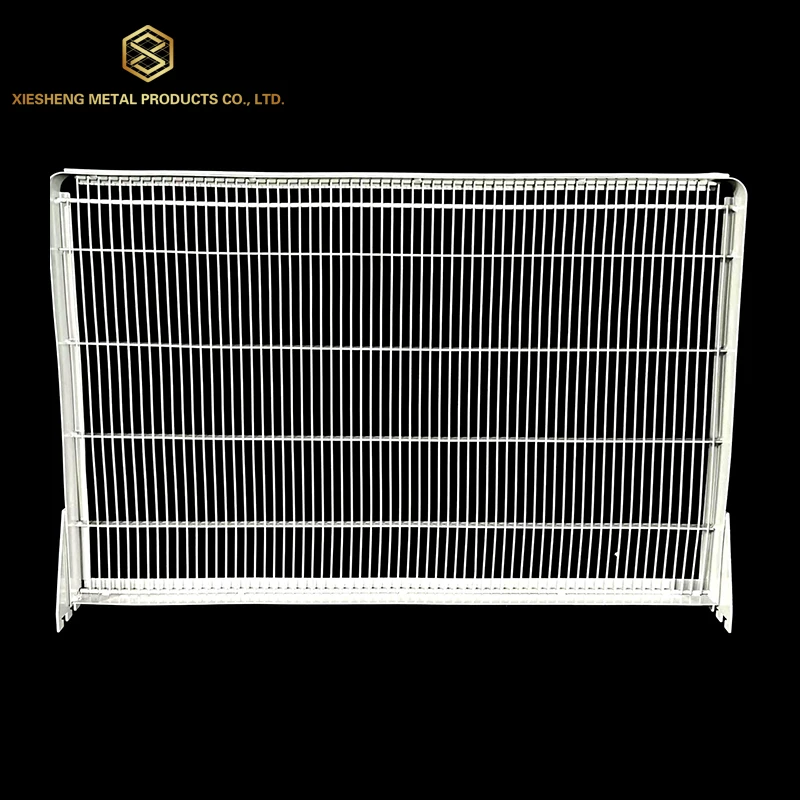
- Light - Duty Shelves: These are typically made from particleboard or thin metal and are suitable for storing lightweight items such as folded clothes, scarves, and small accessories. Light - duty shelves usually have a weight capacity of 10 to 30 pounds per linear foot.
- Medium - Duty Shelves: Made from wood or medium - gauge metal, medium - duty shelves can handle a moderate amount of weight. They are ideal for storing heavier clothing items like jeans, sweaters, and shoe boxes. Medium - duty shelves generally have a weight capacity of 30 to 100 pounds per linear foot.
- Heavy - Duty Shelves: Industrial - grade metal or thick, solid wood shelves fall into this category. Heavy - duty shelves are designed to hold large, heavy items such as tools, sports equipment, and large storage containers. They can have a weight capacity of 100 pounds or more per linear foot.
Tips for Ensuring Your Shelves Can Hold the Weight
- Choose the Right Material: Select a shelf material based on the weight of the items you plan to store. If you have heavy items, opt for a strong material like steel or solid wood.
- Use Adequate Support: Make sure your shelves are properly supported with high - quality brackets and wall anchors. Consider adding additional supports if the span length is long.
- Distribute the Weight Evenly: Avoid placing all the heavy items on one end of the shelf. Spread the weight evenly across the shelf to prevent uneven stress and sagging.
- Don't Overload the Shelves: Always stay within the recommended weight capacity of the shelves. Overloading can lead to sagging, bending, or even collapse, which can be dangerous.
Related Products
If you're looking to expand your closet storage options, we also offer a variety of related products. Check out our Towel Rack for a convenient way to store towels, and our Material Shelf for storing various items. We also have high - quality Stamped Hardware that can enhance the functionality and durability of your closet shelves.
Contact Us for Procurement
If you're in the market for closet shelves or any of our related products, we'd love to hear from you. Our team of experts can help you choose the right shelves based on your specific weight requirements and storage needs. Whether you're a homeowner looking to upgrade your closet or a business owner in need of commercial - grade storage solutions, we have the products and expertise to meet your needs. Reach out to us to start a procurement discussion and take the first step towards a well - organized and functional closet.
References
[1] Wood Handbook: Wood as an Engineering Material. Forest Products Laboratory.
[2] Steel Construction Manual. American Institute of Steel Construction.
[3] Particleboard and MDF Product Specifications. Various manufacturers.


