


Hey there, fellow cat lovers! As a cat cage supplier, I get all sorts of questions from pet owners. One question that's been popping up a lot lately is, "Can I use a cat cage for a cat that is allergic to certain materials?" Well, let's dig into this topic and find out.
First off, it's important to understand that cats can be allergic to a variety of materials. Just like us humans, they can have sensitivities to things like certain plastics, fabrics, and even metals. These allergies can cause a range of symptoms, from mild itching and scratching to more serious skin rashes and respiratory problems.
When it comes to choosing a cat cage for an allergic cat, the key is to pick one made from hypoallergenic materials. Hypoallergenic materials are less likely to trigger an allergic reaction in your furry friend. For example, stainless steel is a great option. It's durable, easy to clean, and doesn't harbor allergens like some plastics or fabrics can.
Another good choice is a cage made from natural materials like untreated wood. Wood can be a warm and inviting material for your cat, and if it's untreated, it's less likely to contain chemicals that could cause an allergic reaction. However, make sure the wood is smooth and free of splinters to prevent any injuries to your cat.
Now, let's talk about some of the common materials you might find in cat cages and whether they're suitable for allergic cats.
Plastic is a popular material for cat cages because it's lightweight and easy to clean. However, some plastics can contain chemicals like phthalates and BPA, which can be harmful to cats, especially those with allergies. If you're considering a plastic cat cage, look for one that's labeled as BPA-free and made from high-quality, non-toxic plastic.
Fabric is another material that's often used in cat cages, especially in the form of bedding or hammocks. While fabric can be soft and comfortable for your cat, it can also trap dust, dirt, and allergens. If your cat is allergic to fabric, look for a cage with removable, washable bedding that you can clean regularly to keep allergens at bay.
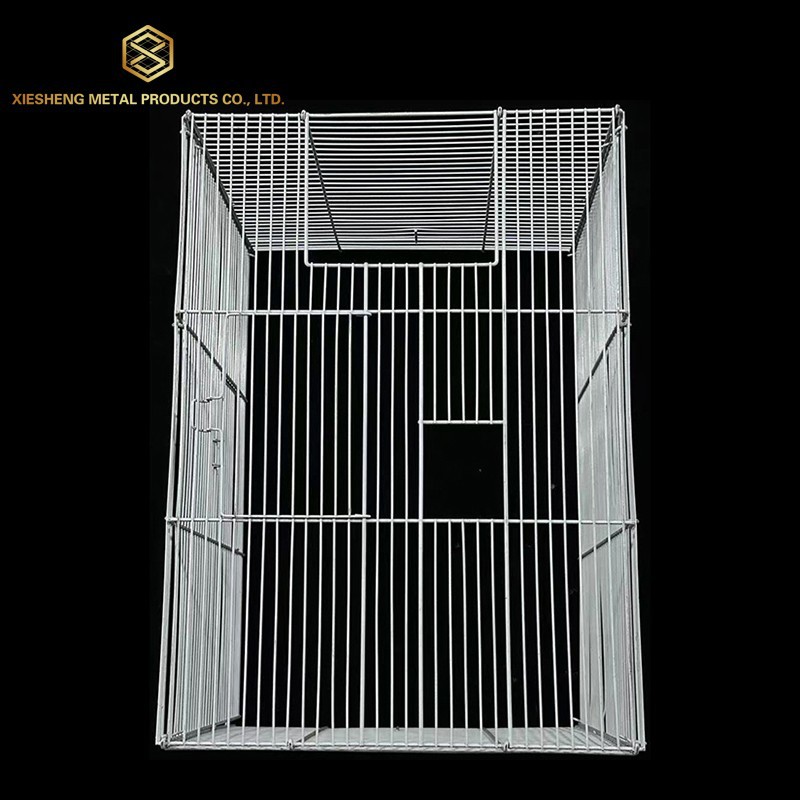

Metals can also be a source of allergies for some cats. Aluminum and galvanized steel are generally safe options, but some cats may be allergic to nickel, which is often used in the coating of some metals. If you're unsure whether your cat is allergic to nickel, it's best to choose a cage made from a different material or look for a nickel-free coating.
So, can you use a cat cage for a cat that is allergic to certain materials? The answer is yes, but you need to be careful about the materials you choose. Make sure to do your research and pick a cage that's made from hypoallergenic materials and is easy to clean.
At our company, we offer a wide range of cat cages made from different materials to suit the needs of all cat owners, including those with allergic cats. Our Pet Playpen is a great option for cats that need a little more space to play and explore. It's made from high-quality, non-toxic materials and is easy to set up and take down.
If you're looking for a smaller cage for travel or for keeping your cat confined when you're not home, our Hamster Cage is a great choice. It's made from sturdy materials and has plenty of ventilation to keep your cat comfortable.
And if you need a larger cage for multiple cats or for a cat that needs a lot of space, our Animal Cages are the perfect solution. They're made from durable materials and come in a variety of sizes and styles to meet your needs.
In addition to choosing the right materials, there are some other things you can do to help keep your allergic cat comfortable in their cage. Make sure to clean the cage regularly to remove any dirt, dust, or allergens. You can use a mild, non-toxic cleaner to clean the cage and a vacuum cleaner to remove any loose hair or debris.
It's also a good idea to provide your cat with plenty of fresh water and a clean litter box in their cage. This will help keep them healthy and comfortable and reduce the risk of any allergic reactions.
Finally, if you're still unsure whether a particular cat cage is suitable for your allergic cat, it's always a good idea to consult with your veterinarian. They can help you determine the cause of your cat's allergies and recommend the best materials and products to use.
In conclusion, using a cat cage for an allergic cat is definitely possible, but you need to be careful about the materials you choose. Make sure to do your research and pick a cage that's made from hypoallergenic materials and is easy to clean. And if you have any questions or need help choosing the right cage for your cat, don't hesitate to reach out to us. We're here to help you find the perfect cage for your furry friend.
If you're interested in purchasing a cat cage from us, we'd love to hear from you. Contact us today to discuss your options and get a quote. We offer competitive prices, high-quality products, and excellent customer service. Let's work together to find the perfect cat cage for your allergic cat!
References
- "Cat Allergies: Causes, Symptoms, and Treatment." PetMD.
- "Choosing the Right Cat Cage." The Spruce Pets.
- "Hypoallergenic Materials for Cats." Catster.


