


Can cement mesh be used in swimming pools? This is a question that many pool owners, contractors, and enthusiasts often ponder. As a supplier of Cement Mesh, I'm well - versed in the properties and applications of this product, and I'm eager to share some insights on its viability for swimming pool construction and maintenance.
Understanding Cement Mesh
First, let's get a clear understanding of what Cement Mesh is. Cement Mesh, as detailed on our Cement Mesh page, is a grid - like structure typically made of metal or fiberglass. It is designed to be embedded within concrete or cement - based materials. The primary function of Cement Mesh is to reinforce the concrete, enhancing its strength and durability. By distributing stress more evenly across the surface, it helps prevent cracking and structural failures.
The Requirements of Swimming Pools
Swimming pools are complex structures that need to meet a variety of requirements. They must be watertight to prevent leakage, structurally sound to withstand the weight of the water and any external forces, and resistant to the corrosive effects of water, chemicals, and environmental factors. Additionally, they should provide a smooth and safe surface for swimmers.
Advantages of Using Cement Mesh in Swimming Pools
Structural Reinforcement
One of the most significant advantages of using Cement Mesh in swimming pools is its ability to reinforce the pool's structure. The mesh acts as a skeleton within the concrete, holding it together and preventing cracks from forming. In a swimming pool, where the weight of the water exerts constant pressure on the walls and floor, this reinforcement is crucial. Without proper reinforcement, the concrete can crack under the stress, leading to water leakage and potentially costly repairs.
Crack Resistance
Cement Mesh helps in reducing the occurrence and propagation of cracks. When the concrete experiences temperature changes, shrinkage during the curing process, or external impacts, the mesh distributes the stress, minimizing the likelihood of large cracks. Small cracks can also be arrested by the mesh, preventing them from spreading and causing more significant damage.
Long - term Durability
By providing structural support and crack resistance, Cement Mesh enhances the long - term durability of the swimming pool. A well - reinforced pool can withstand the test of time, reducing the need for frequent repairs and replacements. This not only saves money in the long run but also ensures that the pool remains safe and functional for many years.
Compatibility with Pool Construction
Cement Mesh is highly compatible with the traditional methods of swimming pool construction. It can be easily installed during the formwork stage, before the concrete is poured. The mesh can be cut to size and shaped to fit the specific design of the pool, whether it's a simple rectangular shape or a more complex free - form design. Once installed, it becomes an integral part of the pool's structure, working in harmony with the concrete to provide a strong and stable foundation.
Considerations for Using Cement Mesh in Swimming Pools
Material Selection
When choosing Cement Mesh for a swimming pool, it's essential to select the right material. Metal meshes, such as stainless steel, offer excellent strength but need to be corrosion - resistant to withstand the wet and chemical - rich environment of a pool. Fiberglass meshes are also a popular choice as they are lightweight, non - corrosive, and easy to handle.
Installation Quality
Proper installation is crucial for the effectiveness of Cement Mesh. The mesh should be placed at the correct depth within the concrete, usually in the middle or lower third of the slab for the pool floor and walls. It should also be securely tied or fastened to prevent movement during the concrete pouring process. Any errors in installation can compromise the mesh's ability to reinforce the concrete and lead to structural issues later on.
Chemical Compatibility
The chemicals used in pool maintenance, such as chlorine and pH adjusters, can have an impact on the Cement Mesh. It's important to ensure that the chosen mesh is chemically compatible with these substances. Some meshes may require additional coatings or treatments to enhance their chemical resistance.

Comparing Cement Mesh with Other Options
Protective Nets
Protective Nets are often used for safety purposes in swimming pools, such as preventing children or pets from falling in. While they serve an important safety function, they do not provide the same level of structural reinforcement as Cement Mesh. Protective nets are mainly designed to act as a barrier, whereas Cement Mesh is an integral part of the pool's structure.
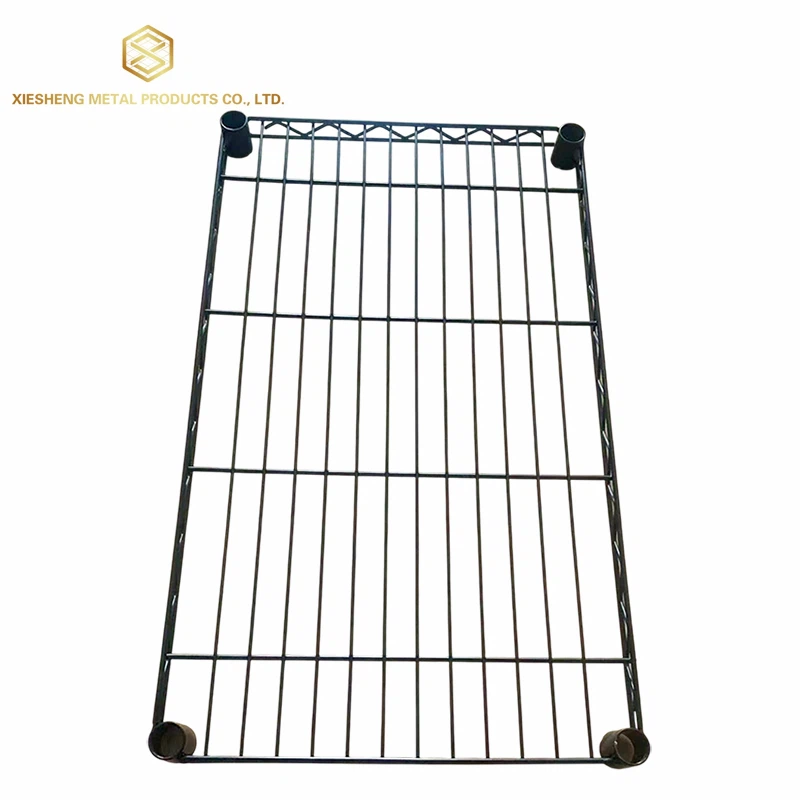
Shelf Grids
Shelf Grids are typically used for storage or display purposes and are not suitable for swimming pool construction. They lack the necessary strength and durability to withstand the unique conditions of a pool environment.
Conclusion
In conclusion, Cement Mesh can be an excellent choice for swimming pools. Its ability to provide structural reinforcement, crack resistance, and long - term durability makes it a valuable addition to any pool construction project. However, careful consideration must be given to material selection, installation quality, and chemical compatibility to ensure its effectiveness.
If you're planning a swimming pool construction or renovation project and are interested in learning more about how Cement Mesh can benefit your pool, I encourage you to reach out. We, as a Cement Mesh supplier, have the expertise and a wide range of products to meet your specific needs. Contact us to discuss your project requirements, and let's work together to create a strong, durable, and beautiful swimming pool.
References
- ASTM International standards for concrete reinforcement materials
- Pool & Spa News magazine articles on pool construction techniques
- Professional Pool Builders Association guidelines on pool structural design


