


As a supplier of Cement Mesh, I often encounter inquiries from clients about the suitability of Cement Mesh for use in foundations. This topic is not only crucial for construction professionals but also for DIY enthusiasts looking to build a solid and durable structure. In this blog post, I will delve into the technical aspects, advantages, and potential limitations of using Cement Mesh in foundations, providing you with a comprehensive understanding to make an informed decision.
Technical Properties of Cement Mesh
Cement Mesh, also known as concrete reinforcement mesh, is typically made of steel wires welded together in a grid pattern. The wires are usually made of high - strength steel, which provides excellent tensile strength. Tensile strength is the ability of a material to resist being pulled apart. In the context of foundations, the soil beneath the structure can exert various forces on the foundation, including lateral and vertical forces. The Cement Mesh helps to distribute these forces evenly across the foundation, reducing the risk of cracking and structural failure.
The grid pattern of the Cement Mesh allows concrete to flow through it during the pouring process, creating a composite material. This composite action between the concrete and the mesh enhances the overall strength of the foundation. The size of the mesh openings and the diameter of the wires can be customized according to the specific requirements of the project. For example, in areas with high seismic activity, a finer mesh with thicker wires may be required to provide additional reinforcement.
Advantages of Using Cement Mesh in Foundations
Crack Resistance
One of the primary benefits of using Cement Mesh in foundations is its ability to resist cracking. Concrete is strong in compression but weak in tension. When the foundation is subjected to external forces, such as soil settlement or temperature changes, cracks can form. The Cement Mesh acts as a reinforcement, holding the concrete together and preventing cracks from spreading. This is particularly important in large - scale foundations, where even small cracks can compromise the integrity of the structure over time.
Improved Structural Integrity
By distributing the forces evenly, Cement Mesh improves the overall structural integrity of the foundation. It helps to transfer the load from the superstructure to the soil more efficiently, reducing the stress concentration at specific points. This results in a more stable and durable foundation that can withstand the test of time. For instance, in commercial buildings or multi - story residential complexes, a well - reinforced foundation with Cement Mesh is essential to support the heavy loads.
Cost - Effectiveness
Compared to other forms of reinforcement, such as steel bars, Cement Mesh is often more cost - effective. It is easier to install, which reduces labor costs. Additionally, the standardized manufacturing process of Cement Mesh allows for mass production, resulting in lower material costs. For small - to - medium - sized construction projects, using Cement Mesh can significantly reduce the overall construction budget without sacrificing the quality of the foundation.
Potential Limitations
Corrosion Risk
One of the main concerns when using Cement Mesh in foundations is the risk of corrosion. If the steel wires are exposed to moisture and oxygen, they can rust over time. This can weaken the mesh and reduce its effectiveness as a reinforcement. To mitigate this risk, the Cement Mesh can be coated with a protective layer, such as epoxy or zinc. These coatings act as a barrier, preventing the steel from coming into contact with corrosive elements.
Limited Flexibility
Cement Mesh has limited flexibility compared to some other reinforcement materials. In some cases, where the foundation needs to adapt to complex soil conditions or irregular shapes, the rigid nature of the mesh may pose a challenge. However, this can be overcome by using pre - fabricated mesh panels that can be cut and bent to fit the specific requirements of the project.
Applications in Different Types of Foundations
Strip Foundations
Strip foundations are commonly used for low - rise buildings and load - bearing walls. Cement Mesh can be easily incorporated into strip foundations by placing it within the concrete pour. The mesh helps to reinforce the strip, preventing cracking due to soil movement or uneven loading. It is especially useful in areas with soft or expansive soils, where the foundation is more likely to experience settlement.
Raft Foundations
Raft foundations, also known as mat foundations, are used for large - scale buildings or structures on poor - quality soils. A raft foundation spreads the load of the building over a large area, reducing the pressure on the soil. Cement Mesh can be used in raft foundations to enhance the overall strength and stiffness of the raft. It helps to distribute the load evenly across the entire foundation, minimizing differential settlement.
Pile Foundations
In pile foundations, Cement Mesh can be used to reinforce the pile caps. Pile caps are the structures that connect the piles to the superstructure. The mesh provides additional strength to the pile caps, ensuring that they can transfer the load from the superstructure to the piles effectively. This is particularly important in high - rise buildings or structures with heavy loads.
Related Products and Their Complementary Use
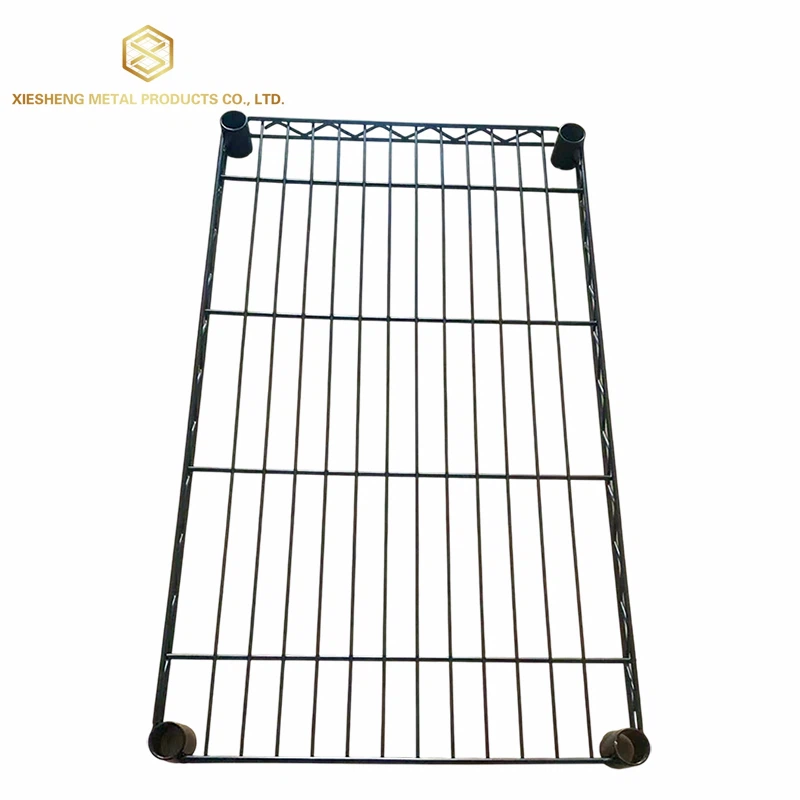
In addition to Cement Mesh, there are other related products that can be used in conjunction with it to enhance the performance of foundations. Protective Nets can be used to prevent debris and soil from entering the foundation during construction. They can also provide an additional layer of protection against erosion. Shelf Grids can be used to support the Cement Mesh during the concrete pouring process, ensuring that it remains in the correct position.
Conclusion and Call to Action
In conclusion, Cement Mesh can be a highly effective solution for reinforcing foundations. Its technical properties, such as high tensile strength and crack - resistance, make it a valuable addition to any construction project. While there are some potential limitations, such as corrosion risk and limited flexibility, these can be managed through proper design and installation.
If you are considering using Cement Mesh in your next foundation project, I encourage you to contact me for more information. I can provide you with detailed product specifications, technical support, and competitive pricing. Whether you are a professional contractor or a DIY enthusiast, I am here to help you make the best choice for your foundation reinforcement needs.

References
- "Concrete Reinforcement: Principles and Practice" by David A. S. Barr
- "Foundation Design and Construction" by Arthur H. Nilson and David Darwin


