


Hey there! As a supplier of Cement Mesh, I often get asked if it can be used in agricultural structures. Well, let's dive right into this topic and find out if cement mesh is a good fit for the agricultural world.
What is Cement Mesh?
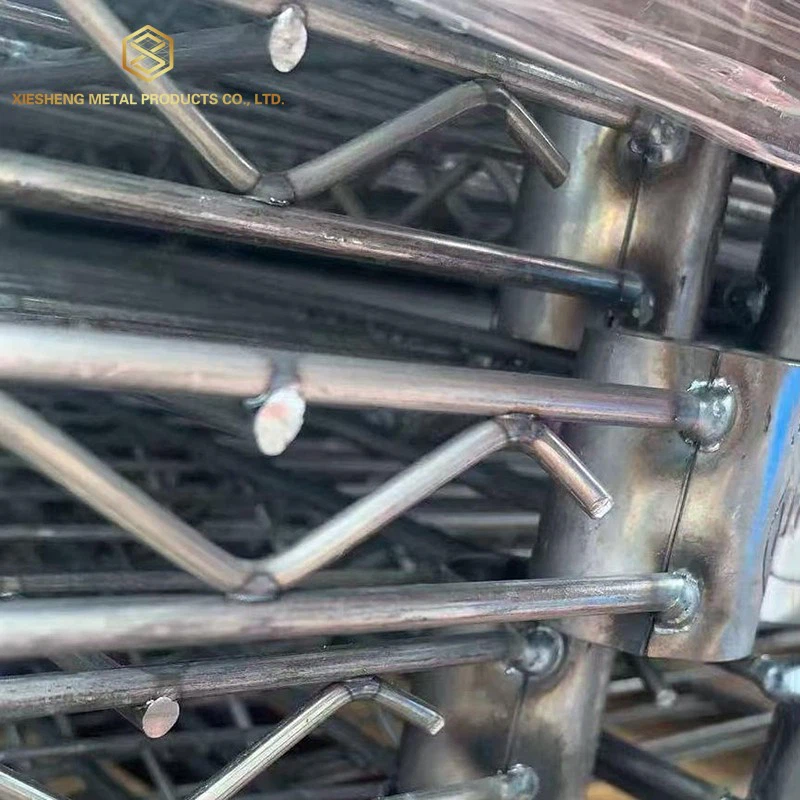
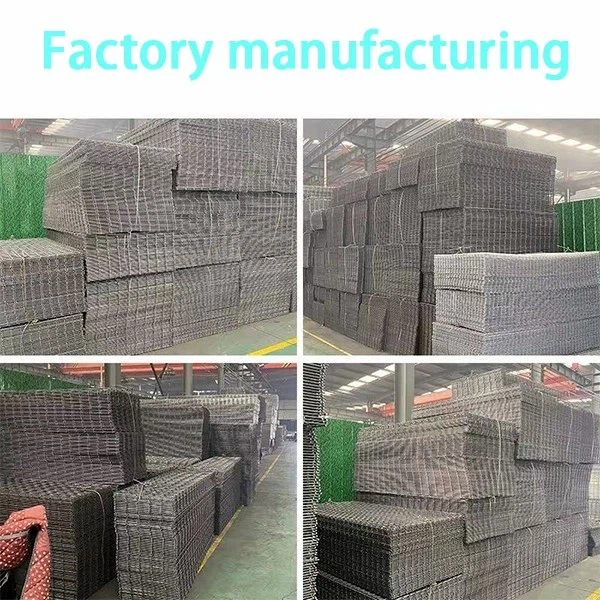
First things first, let's talk about what cement mesh is. Cement mesh, as the name suggests, is a type of mesh made from cement or a combination of cement and other materials. It usually comes in a grid - like pattern, which gives it a certain level of strength and stability. You can check out more about it on our Cement Mesh page.
Cement mesh has a wide range of applications. It's commonly used in construction for reinforcing concrete structures, making it stronger and more durable. But can it be used in agriculture? Let's explore the possibilities.
Advantages of Using Cement Mesh in Agricultural Structures
1. Durability
One of the biggest advantages of cement mesh in agricultural structures is its durability. Agricultural environments can be tough, with exposure to the elements, pests, and various types of mechanical stress. Cement mesh can withstand these conditions quite well. It's resistant to corrosion, which means it won't rust like some metal meshes over time. This durability ensures that the agricultural structures built with cement mesh will last for a long time, reducing the need for frequent repairs and replacements.
2. Structural Support
Cement mesh provides excellent structural support. In agricultural settings, it can be used to reinforce walls, floors, and roofs of buildings such as barns, greenhouses, and storage facilities. For example, when used in the construction of a greenhouse, it can help the structure withstand strong winds and heavy snow loads. The grid - like pattern of the cement mesh distributes the weight evenly, preventing any weak points from developing in the structure.
3. Pest Control
Pests can be a major problem in agriculture. Rodents, birds, and insects can cause damage to crops, equipment, and stored produce. Cement mesh can act as a barrier against these pests. When installed around the perimeter of a storage facility or a greenhouse, it can prevent rodents from getting in. The small openings in the mesh are too small for most pests to pass through, providing an effective form of pest control. You can also learn about other types of meshes like Shelf Grids which might have similar applications in pest - proofing.
4. Cost - Effectiveness
In the long run, using cement mesh can be cost - effective. Although the initial cost of purchasing and installing cement mesh might be a bit higher compared to some other materials, its long lifespan and low maintenance requirements make it a great investment. You won't have to keep spending money on repairs and replacements, which can save you a significant amount of money over time.
Applications of Cement Mesh in Agriculture
1. Greenhouses
Greenhouses are an essential part of modern agriculture. They provide a controlled environment for growing plants, protecting them from harsh weather conditions. Cement mesh can be used in the construction of the greenhouse frame. It can be incorporated into the concrete foundation to provide additional strength. The mesh can also be used to reinforce the walls and roof of the greenhouse, making it more resistant to wind and snow.
2. Animal Shelters
Whether it's a chicken coop, a pigsty, or a horse stable, animal shelters need to be strong and durable. Cement mesh can be used to build the walls and floors of these shelters. It provides a stable surface for the animals to walk on and can withstand the wear and tear caused by their movement. Additionally, it can help keep pests out, ensuring a clean and healthy environment for the animals.
3. Storage Facilities
Agricultural products such as grains, fertilizers, and equipment need to be stored properly. Cement mesh can be used in the construction of storage facilities to reinforce the structure and prevent pests from getting in. It can also be used to create partitions within the storage area, organizing the space more efficiently.
Potential Drawbacks of Using Cement Mesh in Agriculture
1. Weight
Cement mesh is relatively heavy compared to some other types of meshes. This can make it more difficult to handle and install, especially in large - scale agricultural projects. Special equipment might be required to lift and position the mesh, which can add to the overall cost of the project.
2. Brittleness
Cement is a brittle material. While the mesh is designed to be strong, it can crack or break if subjected to sudden, high - impact forces. In an agricultural environment where there might be accidental collisions with equipment or animals, this brittleness could be a concern.
3. Installation Complexity
Installing cement mesh requires some skill and experience. It needs to be properly anchored and aligned to ensure its effectiveness. If not installed correctly, it might not provide the desired level of structural support or pest control. This means that you might need to hire professional installers, which can increase the cost of the project.
Alternatives to Cement Mesh in Agriculture
While cement mesh has its advantages, there are also some alternatives available in the market.
1. Metal Mesh
Metal mesh, such as galvanized steel mesh, is a popular alternative. It's lightweight and easy to install. Metal mesh is also very strong and can provide good structural support. However, it's more prone to corrosion compared to cement mesh, especially in humid agricultural environments.
2. Plastic Mesh
Plastic mesh is another option. It's lightweight, inexpensive, and easy to work with. Plastic mesh can be used for various applications such as fencing and pest control. However, it's not as durable as cement mesh and might need to be replaced more frequently. You can also explore Protective Nets which are similar to plastic meshes in some ways and can be used in agricultural settings.
Conclusion
So, can cement mesh be used in agricultural structures? The answer is a definite yes. It offers many advantages such as durability, structural support, pest control, and cost - effectiveness. However, it also has some potential drawbacks like weight, brittleness, and installation complexity. When considering using cement mesh in your agricultural project, you need to weigh these pros and cons carefully.
If you're interested in using cement mesh for your agricultural structures, I'd love to have a chat with you. We can discuss your specific needs and see how our cement mesh products can fit into your project. Whether you're building a small greenhouse or a large - scale storage facility, we have the right solutions for you. Contact us to start the procurement process and let's build some amazing agricultural structures together!
References
- "Agricultural Construction Handbook"
- "Materials for Agricultural Structures" research papers from agricultural engineering journals.


